
TL;DR:
- Genuine premium minimalist streetwear emphasizes high-quality fabrics, intentional details, and cultural storytelling.
- Brands like Klepsa, Eme Studios, and Caracas Merch fuse heritage narratives with durable, well-constructed garments.
- Cultural storytelling, especially Latin heritage, creates emotional depth and lasting appeal in minimalist designs.
Finding premium minimalist streetwear that actually says something is harder than it looks. The market floods you with clean aesthetics that feel empty, or bold graphics that drown out everything else. The brands worth your attention do something different: they build garments where quality, restraint, and genuine cultural identity all pull in the same direction. Whether you’re drawn to Latin heritage narratives, cartographic motifs, or the philosophy of quiet luxury, this guide breaks down exactly what to look for, who’s doing it right, and how to choose pieces that feel as meaningful as they look.
Table of Contents
- Understand the essentials: Criteria for premium minimalist streetwear
- Brand spotlight: Leading names in cultural minimalist streetwear
- Fabric, fit, and feel: Comparing top minimalist streetwear pieces
- Minimalism versus maximalism: Making the right choice for your personal style
- Our view: Why cultural storytelling is the real game-changer in minimalist streetwear
- Explore premium minimalist streetwear with Klepsa
- Frequently asked questions
Key Takeaways
| Point | Details |
|---|---|
| Criteria matter most | Quality fabrics, cultural narratives, and clean design are crucial for premium minimalist streetwear. |
| Culture enriches style | Brands that embed Latin heritage add depth and identity to minimalist fashion. |
| Quiet luxury rises | Minimalism is outpacing maximalism, with quiet luxury leading streetwear sales in 2026. |
| Fit and feel count | The best minimalist pieces balance comfort, durability, and a story-driven aesthetic. |
Understand the essentials: Criteria for premium minimalist streetwear
Not every hoodie with a clean front qualifies as premium minimalist streetwear. The category has specific standards, and knowing them upfront saves you from buying into a watered-down version. Here’s what separates the real thing from the imitation.
Material quality is non-negotiable. Premium minimalist streetwear starts with fabric weight and construction. Look for heavy-duty fleece in the 350gsm to 450gsm range for hoodies, or tightly woven cotton for everyday cuts. These weights give garments their structure and drape. A thin, light hoodie might look clean in photos, but it collapses under real wear. The stitching quality at seams, cuffs, and hems reveals everything about how a piece was made and how long it will actually last in your rotation.
Clean aesthetic with deliberate detail. Minimalism in streetwear does not mean boring. It means intentional. Every element should earn its place. The best pieces carry a quiet confidence on the front profile, with perhaps a small logo or text placement, and then deliver a stronger visual statement on the back. This front-back contrast is a signature move in contemporary minimalist design. It lets the wearer control the narrative, subtle from one angle, striking from another.
Embedded heritage and cultural storytelling. This is the criterion that lifts a premium piece above a basic garment. Successful brands embed heritage through thoughtful seasonal narratives, the way Eme Studios does with its collections. When a brand draws from real cultural history, cartography, or the passage of time, you get something that connects emotionally, not just visually. That connection is what makes a piece feel worth keeping.
Key criteria to evaluate any minimalist streetwear purchase:
- Fabric weight and construction quality (350gsm and above for hoodies)
- Intentional placement of graphic elements, never cluttered
- A clear brand narrative rooted in cultural identity or philosophical concept
- DTG (direct-to-garment) or high-quality screen printing that holds detail without cracking
- Relaxed but structured fit that translates across casual and semi-elevated looks
Pro Tip: Look for brands that release seasonal collections with a unifying concept or title, not just individual pieces. When a brand names a collection “Codex I” or builds around a specific cultural period, it signals that every design decision serves a larger story rather than chasing trend cycles.
Learning how to put pieces together matters just as much as the pieces themselves. Exploring styling minimalist streetwear helps you build outfits that honor the design intent behind these garments. Understanding how heritage shapes streetwear identity also gives you the context to evaluate brands more critically and buy with intention.
Brand spotlight: Leading names in cultural minimalist streetwear
With the criteria established, it’s time to highlight brands that embody these principles. Several names stand out for fusing cultural storytelling with genuine minimalist execution. They are not all equally well known, but each brings something specific to the conversation.
Eme Studios has built a reputation for thoughtful seasonal narratives. Their collections feel considered rather than reactive. Each drop carries a conceptual thread that ties the designs together, giving buyers a reason to connect with the clothing beyond just how it photographs. This approach resonates strongly with a generation that shops with identity in mind.
Caracas Merch takes a different angle, anchoring their appeal in premium raw materials and positive customer feedback. Their 300gsm cotton tees earn consistent praise for durability and feel, demonstrating that weight and fabric integrity matter deeply to their core audience. Reviews highlight how the garments hold their shape after repeated washes, which is a practical test that most fast-fashion alternatives fail quickly.
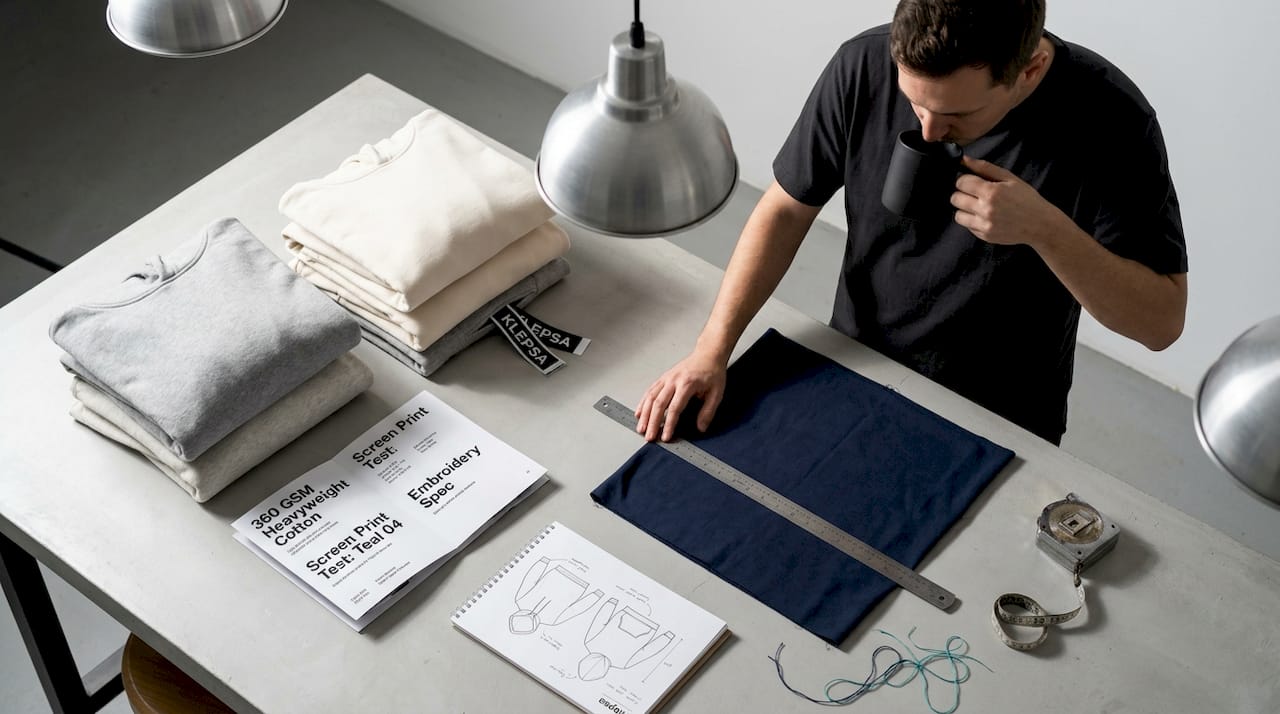
Klepsa operates within this same space but pushes the narrative component further. The debut Codex I collection draws on Latin heritage, cartography, and the philosophical weight of time. Each piece functions as what the brand calls an artifact of a deeper narrative. The front profiles are clean and understated. The back graphics are high-definition and bold, produced with state-of-the-art DTG printing that preserves fine detail without compromising breathability.
What these brands share is a commitment to meaning alongside execution. They understand that their audience shops differently than previous generations. As the streetwear market evolves, Gen Z prioritizes identity in purchasing decisions more than any other generation before them.
“The next era of streetwear isn’t defined by logos or price tags. It’s defined by whether the brand has something real to say and whether the garment says it well.”
Latin-inspired brands in particular offer a richness of visual and conceptual language that translates beautifully into minimalist design. Cartographic elements, colonial-era typography, indigenous motifs adapted for contemporary cuts — all of these pull from a deep well of history. Exploring how brands incorporate Latin heritage reveals just how much visual and cultural material is available to designers willing to go beyond surface-level references.
Fabric, fit, and feel: Comparing top minimalist streetwear pieces
Now, let’s see how leading pieces stack up, focusing on tangible qualities that actually matter. Knowing what to look for in a spec sheet separates an informed buyer from someone paying for branding alone.
Cotton weight is the most important number to understand. For hoodies, 350gsm to 450gsm delivers the structured, premium feel associated with quiet luxury streetwear. For tees, 300gsm cotton sits at the top end of the everyday wear spectrum, offering substantial body without rigidity. Anything below 200gsm starts to feel fast-fashion regardless of the design on top of it.
Fit type also shapes how minimalist pieces communicate. A relaxed fit reads casual and accessible. A slightly tapered silhouette elevates the same garment into semi-formal territory. The best minimalist streetwear pieces are designed to function across multiple styling contexts, which is part of what justifies the price point for a discerning buyer.
| Piece | Material | Weight | Fit | Cultural narrative | Print method |
|---|---|---|---|---|---|
| Klepsa Insula Hoodie | 3-end fleece | 400gsm+ | Relaxed structured | Latin cartography | DTG high-definition |
| Klepsa Tempus Hoodie | 3-end fleece | 400gsm+ | Relaxed structured | Passage of time | DTG high-definition |
| Caracas Merch tee | 100% cotton | 300gsm | Regular | Venezuelan identity | Screen print |
| Eme Studios hoodie | Cotton blend | 320gsm | Relaxed | Seasonal concept | Embroidery + print |
What this table shows clearly is that fabric weight and print technology vary significantly even within the premium tier. DTG printing allows for finer detail and greater graphic complexity than traditional screen printing. For brands like Klepsa that build narratives into intricate back-panel designs, DTG is not a preference, it is a requirement. Understanding how to spot quality hoodies helps you read these specs confidently before you buy.
Beyond specs, cultural storytelling in garment design adds a layer of value that does not appear in any product table. A hoodie that references specific historical maps or explores the concept of labor and time through its graphic language carries a conversation starter in every fiber. It rewards the wearer who knows the context and invites curiosity from those who don’t. Learning to pair streetwear with basics lets these statement pieces breathe within a wider wardrobe without overwhelming a look.
Minimalism versus maximalism: Making the right choice for your personal style
To round out your understanding, let’s look at how minimalist and maximalist approaches contrast and which fits your style best. The tension between these two directions defines a lot of what’s happening in streetwear right now.
Minimalism in fashion (design philosophy focused on reduction, restraint, and intentional simplicity) has become the dominant language for brands targeting premium audiences. Clean silhouettes, muted palettes, and deliberate negative space all signal a kind of sophistication that reads as confident rather than loud.
Maximalism is the counterpoint: layered graphics, bold colors, clashing patterns, and visual density. It has always had a place in streetwear culture and continues to thrive in certain communities. But the quiet luxury wave is reshaping the broader market.
US apparel sales hit $160B in 2026, with quiet luxury and minimalist aesthetics driving significant growth within the premium segment. Maximalism is not disappearing, but it is being repositioned as a subculture statement while minimalism claims more of the mainstream premium space.
| Style direction | Key features | Best suited for | Price point |
|---|---|---|---|
| Quiet luxury minimalism | Clean lines, premium fabrics, subtle graphics | Versatile everyday and semi-elevated wear | Mid to high |
| Cultural minimalism | Storytelling graphics, heritage motifs, restraint | Identity-driven buyers | Mid to high |
| Maximalism | Bold prints, layering, heavy branding | Statement dressing, subculture expression | Varies widely |
Steps to identify which direction suits your personal style:
- Pull out the three pieces you wear most in your current rotation and look at what they have in common visually. Patterns and textures reveal your baseline preference.
- Think about the contexts where you wear streetwear most. Office-adjacent environments favor minimalism. Festival or event contexts often support maximalist energy.
- Consider which pieces in your wardrobe you still reach for after two years. Longevity usually points toward minimalism, since restrained designs age better than trend-heavy graphics.
- Ask whether you want your clothing to blend into an outfit or anchor it. Anchoring pieces can go either direction, but minimalist anchors offer more flexibility across different combinations.
Pro Tip: Minimalist pieces are actually easier to adapt to seasonal trends than maximalist ones. A solid-color heavy fleece hoodie in a neutral tone can shift from summer layering to winter core just by changing what you wear it with. Study the urban minimalist style guide to see how versatile a small, curated minimalist wardrobe can be. Investing in sustainable minimalist choices also means fewer replacements and a smaller long-term cost per wear.
Our view: Why cultural storytelling is the real game-changer in minimalist streetwear
Having explored your options, here’s our take on what truly makes minimalist streetwear resonate. Most articles in this space focus on fabric specs and visual aesthetics, which matter, but they stop short of the more important question: why does certain clothing stay with you while everything else eventually leaves your wardrobe?
The answer is almost always narrative. When a garment connects to something real, a place, a history, a philosophical idea, it creates an emotional anchor that pure aesthetics cannot replicate. Latin heritage in particular carries centuries of layered history: exploration, resilience, indigenous knowledge, colonial tension, and an ongoing project of identity that never quite resolves. Brands that draw honestly from this material are not just making stylish clothes. They are making timeless streetwear that earns its place in a collection year after year.
The conventional wisdom says buy what looks good right now. Our experience says buy what means something to you specifically. That selectivity is what turns a wardrobe into a point of view. Minimalist pieces with embedded heritage deliver that kind of depth. They are investments in identity, not just aesthetics.
Explore premium minimalist streetwear with Klepsa
Ready to elevate your minimalist streetwear? Consider these handpicked options from Klepsa.
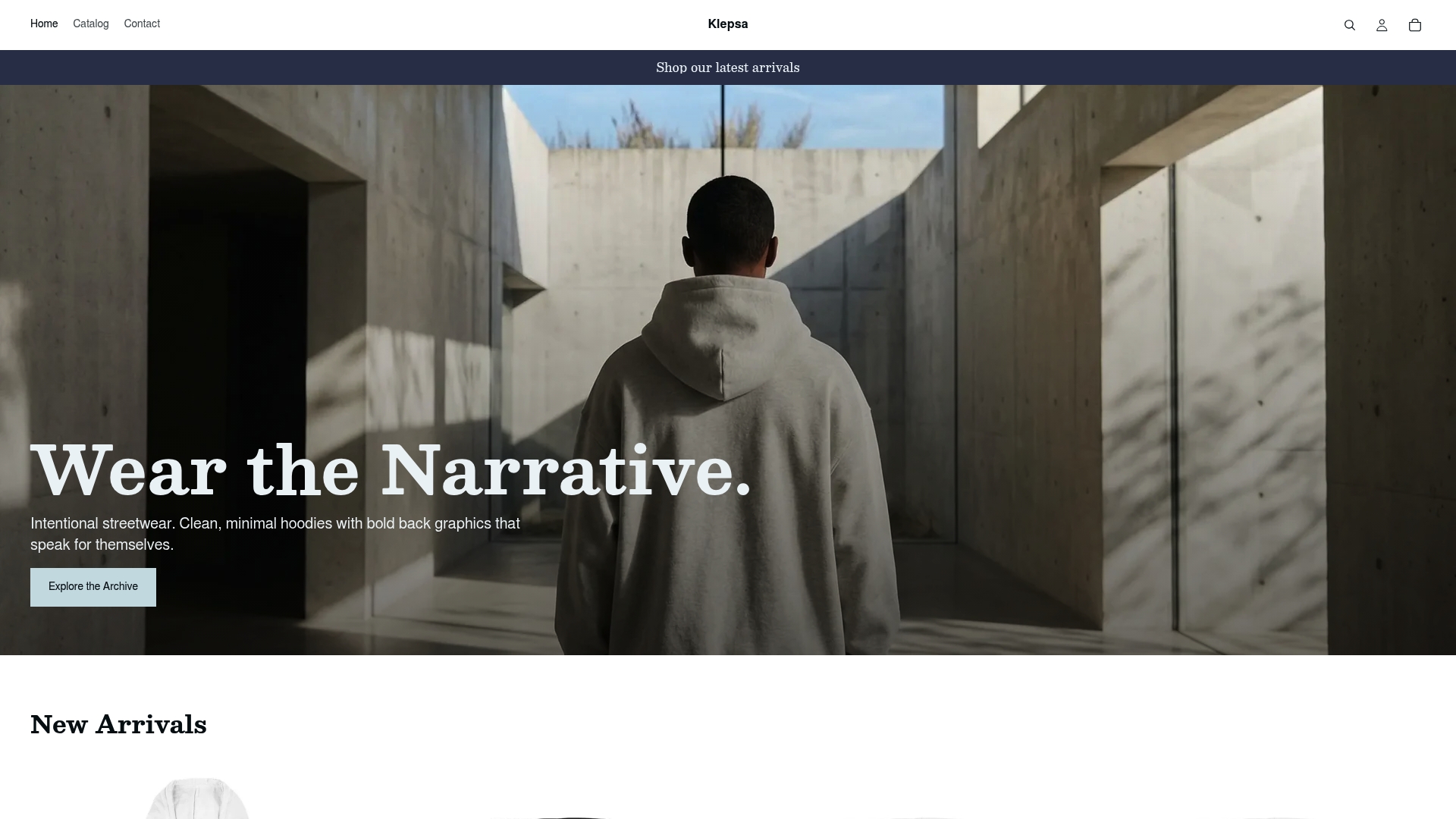
Klepsa’s Codex I collection was built for exactly the buyer this guide describes: someone who wants quality that holds up, aesthetics that stay relevant, and a story worth wearing. The Insula Hoodie and Tempus Hoodie both feature heavy-duty 3-end fleece construction with high-definition DTG back graphics rooted in Latin cartographic heritage. The Mentis Labor Hoodie explores the philosophical weight of work and time, while the Primus Hoodie anchors the collection with a clean, foundational statement. Each piece ships as both a garment and an artifact. Browse the full Codex I collection at Klepsa and wear the narrative.
Frequently asked questions
What defines premium minimalist streetwear?
Premium minimalist streetwear combines top-quality fabrics, clean intentional design, and authentic cultural storytelling. Successful brands embed heritage through thoughtful narratives rather than trend-chasing aesthetics.
Why are heavy fabrics favored in minimalist streetwear?
Heavy fabrics provide the structure and durability that elevate a garment from fast-fashion to premium. Brands using 300gsm cotton consistently earn stronger customer reviews for longevity and feel.
How does Latin heritage influence contemporary minimalist streetwear?
Latin heritage brings centuries of visual and historical material into garment design, from cartographic references to indigenous motifs, creating pieces with genuine identity and emotional depth that successful brands embed as heritage narratives.
Is quiet luxury replacing maximalist streetwear trends?
Quiet luxury is claiming more of the premium streetwear market, with US apparel reaching $160B in 2026 and minimalist aesthetics driving much of that growth, though maximalism remains strong in subculture-specific communities.