
TL;DR:
- Premium minimalist streetwear emphasizes material quality, subtle details, and cultural narratives over hype.
- Authentic storytelling creates long-term loyalty, rooted in community, heritage, and genuine origins.
- The shift from hype to substance is driven by economic, environmental, and cultural factors, favoring quality over quantity.
Street fashion has a reputation problem. Most people still picture it as a race for the loudest logo or the most hyped drop. But the most interesting thing happening in streetwear right now has nothing to do with hype. It’s quieter, more intentional, and far more lasting. Premium minimalist streetwear is being built around material quality, cultural identity, and narratives that actually mean something. If you’ve ever felt like you were missing something when everyone else was chasing the next release, this guide is for you. We’ll break down what defines this new wave, why storytelling matters, and exactly how to spot and wear it.
Table of Contents
- What defines contemporary street fashion?
- Cultural storytelling: The soul of minimalist streetwear
- Industry shifts: From hype to heritage and global influence
- How to identify and style premium minimalist streetwear
- Why the right streetwear is subtle, not loud: A wardrobe evolution
- Discover premium minimalist pieces that tell your story
- Frequently asked questions
Key Takeaways
| Point | Details |
|---|---|
| Premium materials matter | Look for organic cotton and high-grade terry for durability and feel. |
| Storytelling drives connection | Brands with authentic narratives and community roots foster deeper loyalty. |
| Industry focus is shifting | Modern street fashion favors tailoring, utility, and global influence over fleeting hype. |
| Apply a discerning eye | Check material tags, fit, and story cues to invest in pieces with lasting value. |
What defines contemporary street fashion?
Forget what you thought you knew. Today’s premium street fashion isn’t defined by oversized logos or limited-edition scarcity plays. It’s defined by silhouette, construction, and the kind of subtle detailing that rewards a second look. The shift is real, and it’s reshaping how brands build, price, and market their collections.
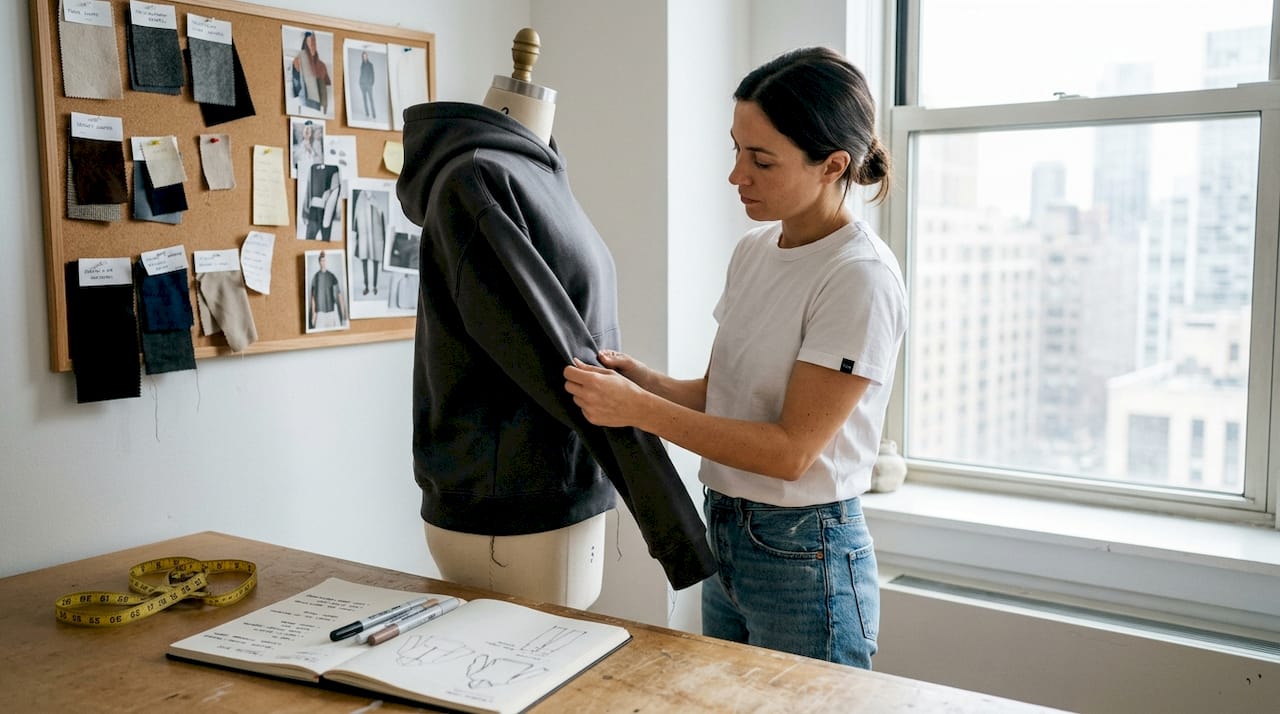
The materials tell the story first. Premium material sourcing like Canadian-milled French terry and organic cotton signals a brand’s commitment to both comfort and longevity. These aren’t just buzzwords. Canadian-milled French terry, for example, is a three-end fleece construction that creates a denser, more durable fabric than standard fleece. You feel the difference in the first wear, and it holds its shape after dozens of washes.
Production philosophy matters just as much as fabric. Small-batch production extends garment life by 200 to 300% compared to mass-produced alternatives, while significantly cutting waste. When a brand makes 150 units instead of 15,000, every stitch gets more attention. You’re not buying inventory. You’re buying craft.
The silhouette evolution is equally significant. The tailored athletic fit, blending the relaxed proportions of streetwear with the precision of menswear tailoring, has become the defining cut of this era. It’s not baggy. It’s not slim. It sits in a considered middle ground that works on the street and in a dinner setting.
Here’s a quick look at how premium minimalist streetwear prices break down by category:
| Category | Price range | What you’re paying for |
|---|---|---|
| Graphic tees | $55 to $65 | Premium cotton, DTG printing, small batch |
| Hoodies | $120 to $400 | Heavy fleece, construction, narrative design |
| Outerwear | $400 and up | Technical fabrics, tailored precision |
What separates authentic minimalism from a trend-chasing imitation? A few things to watch for:
- No filler graphics: Every design element has a reason to exist
- Consistent palette: Colorways are intentional, not reactive to seasonal trends
- Clean interior finishing: Seams, tags, and linings reflect the same care as the exterior
- Transparent supply chain: Brands that are proud of how things are made will tell you
Pro Tip: Flip the garment inside out before buying. The interior finish of a hoodie tells you more about its quality than the outside ever will.
For more on building a wardrobe around these principles, effortless streetwear styling is a great place to start. And if you want to see how COS modern minimalism translates these ideas into seasonal collections, their fall 2025 work is a strong reference point.
Cultural storytelling: The soul of minimalist streetwear
Materials and silhouettes get you in the door. But what keeps you loyal to a brand is something harder to manufacture: a story you actually believe in.
The brands that are winning long-term aren’t just selling clothes. They’re positioning you as the main character in a narrative. Brands like Aime Leon Dore draw from NYC and Queens heritage, Mediterranean influences, and 1990s street culture to create a world that customers want to live inside. You’re not buying a hoodie. You’re buying membership in an identity.
This approach generates measurable results. Story-led brands consistently achieve over 70% positive sentiment in community feedback, compared to hype-driven brands that spike and fade with each release cycle. Emotional resonance builds customer lifetime value in a way that a limited drop never can.
The contrast between old-school loud branding and narrative-driven minimalism is sharp:
| Approach | Signal | Customer relationship |
|---|---|---|
| Bold logo branding | Status, affiliation | Transactional, trend-dependent |
| Narrative minimalism | Identity, belonging | Emotional, long-term loyalty |
| Heritage storytelling | Cultural pride, memory | Community-driven, generational |
“The customer isn’t the audience for the story. The customer is the story.” This is the operating principle behind the most resonant brands in minimalist streetwear today.
Authentic storytelling has specific markers. Here’s how to tell the real thing from a marketing performance:
- Rooted geography: The brand’s origin is specific, not vague. Queens, not “urban culture.”
- Consistent visual language: The story shows up in every touchpoint, not just the campaign
- Community before clout: The brand built an audience before it built hype
- Design as artifact: Each piece references something real, a place, a time, a philosophy
For women’s streetwear inspiration that leans into this narrative approach, there are strong options emerging. And if you want a deeper breakdown of how to shop smarter streetwear by reading brand intent rather than just product specs, that guide cuts through a lot of noise.
The global street culture trends shaping this space show that Gen Z is increasingly drawn to brands that reflect their actual communities, not aspirational ones built by marketing teams.
Industry shifts: From hype to heritage and global influence
The hype era isn’t just fading. It’s collapsing under its own weight. Oversaturation, economic pressure, and a more discerning consumer base have combined to make the old model unsustainable. Understanding why this is happening helps you make smarter choices about where to invest your wardrobe dollars.
Here’s what’s driving the shift:
- Oversaturation: When every brand does a limited drop, nothing feels limited anymore. The scarcity mechanic has been played out.
- Economic reality: Recession-era consumers are spending more carefully. A $350 hoodie needs to justify itself with quality, not just hype.
- Taste maturation: The 18 to 30 demographic has grown up. The same person who chased sneaker drops at 19 wants something more considered at 25.
- Global decentralization: Street culture no longer flows only from NYC or London. Lagos, Vancouver, and Toronto are generating their own distinct aesthetics that don’t need external validation.
- Sustainability pressure: Younger consumers are increasingly aware of fast fashion’s environmental cost and are choosing brands that build things to last.
Mature Gen Z consumers are actively seeking what’s being called “grown streetwear”: tailored fits, utility-forward design, and pieces that communicate sophistication rather than affiliation.
“Small, highly engaged communities are worth more than massive, passive audiences. Ten thousand people who believe in what you’re building will outlast a million who just followed a trend.”
This is why the most interesting brands right now aren’t the biggest ones. They’re the most specific ones. Specificity of vision, cultural reference, and community creates loyalty that no algorithm can replicate.
Pro Tip: When evaluating a brand’s longevity, look at their community, not their follower count. Are people having real conversations about the work, or just reposting for clout?
The line between streetwear hype versus substance is now more visible than ever, and COS minimalism offers a useful benchmark for what “grown” aesthetic sensibility looks like at a commercial scale.
How to identify and style premium minimalist streetwear
Knowing the theory is one thing. Applying it in a store or at checkout is another. Here’s a practical framework for identifying quality and building an outfit that actually works.
The quality checklist:
- Check the fabric composition tag. Natural fibers and blended performance fabrics outperform 100% polyester every time
- Feel the weight. Premium hoodies sit between 400 and 500 GSM (grams per square meter). Anything lighter is cutting corners
- Examine the stitching. Double-stitched seams on stress points mean the brand expects you to actually wear this
- Look for intentional design. A graphic should have a reason to exist, not just fill space
- Research the production story. Transparent brands publish their sourcing and manufacturing details
Pricing is a signal, not a guarantee. But it does give you a baseline. Tees in the $55 to $65 range, hoodies from $120 to $400, and outerwear above $400 reflect the cost of doing things properly. Below those thresholds, something is usually being compromised.
Here’s a quick reference for brands exemplifying minimalist streetwear:
| Brand | Aesthetic vibe | Price range |
|---|---|---|
| Aime Leon Dore | NYC prep-street fusion | $150 to $500 |
| COS | Modern minimalism, waisted silhouettes | $80 to $350 |
| PANGAIA | Eco-minimalist, science-forward | $100 to $400 |
| Totême | Bold silhouettes, leather and knits | $200 to $800 |
Styling for a grown look:
Minimalist streetwear works best when it’s the anchor, not the accent. Build outfits around one strong piece and keep everything else clean. A heavy-fleece hoodie with a back graphic pairs with straight-leg trousers and clean leather sneakers. No competing prints. No stacked logos. Let the piece breathe.
Pro Tip: Prioritize pieces that reflect your own cultural background or community. The most powerful wardrobe choices are the ones that mean something specific to you, not just the ones that photograph well.
For a deeper look at building these outfits from the ground up, pair basics with streetwear walks through the exact combinations that work.
Why the right streetwear is subtle, not loud: A wardrobe evolution
Here’s something most streetwear guides won’t tell you: the loudest piece in the room is rarely the most interesting one.
We’ve watched a real shift happen. People trade in stacks of mass-produced logo pieces for two or three items that actually carry weight. Not just in fabric, but in meaning. A hoodie that references Latin cartography, the passage of time, or a specific cultural philosophy does something a logo can never do. It starts a conversation. It signals that you’ve thought about what you wear.
Minimal streetwear is often misread as playing it safe. It’s actually the opposite. Choosing a clean silhouette with a considered back graphic, over a loud colorblock with a recognizable logo, requires more confidence. It says you don’t need external validation to feel dressed.
What most style guides miss is that emotional attachment to a garment is what makes it last in your wardrobe. Not just physically, but culturally. You’ll reach for the piece that means something every time.
Our take at Klepsa: invest in fewer pieces, with higher quality and a real story behind them. Your wardrobe should reflect who you are, not who the algorithm told you to be.
Discover premium minimalist pieces that tell your story
Everything we’ve covered, from material quality and cultural storytelling to the shift toward grown streetwear, comes together in how Klepsa approaches each piece in the Codex I collection. Heavy-duty 3-end fleece, state-of-the-art DTG printing, and narratives rooted in Latin heritage and cartography aren’t just design choices. They’re a commitment to building something that lasts.
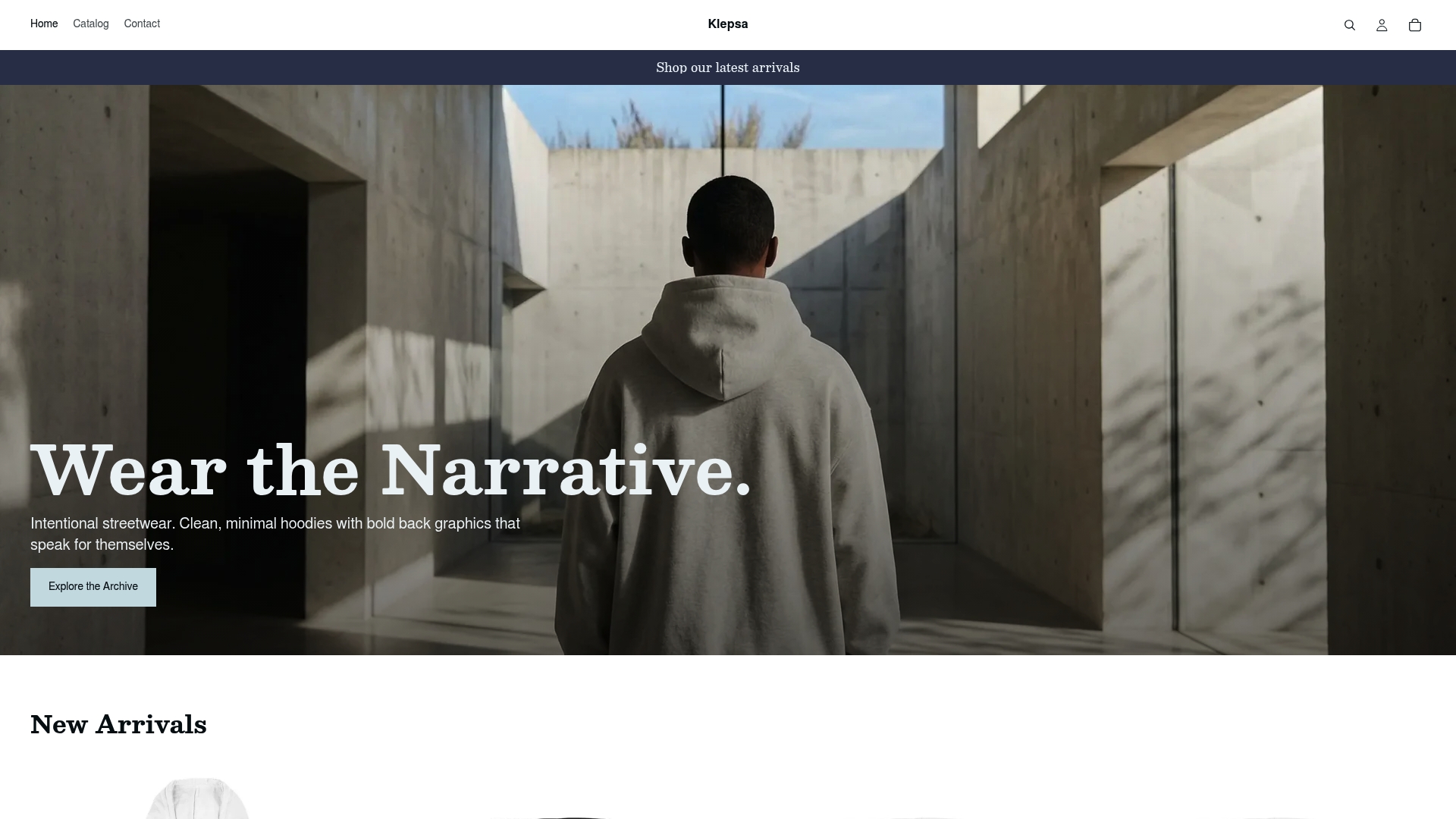
If you’re ready to wear something that carries actual meaning, the Mentis Labor Hoodie and the Primus Hoodie are strong starting points. Both embody the quiet luxury aesthetic: clean fronts, bold back narratives, and construction built to outlast trends. Explore Klepsa to find the piece that fits your story.
Frequently asked questions
What materials should I look for in premium minimalist streetwear?
Focus on organic cotton and French terry, especially Canadian-milled variants, for the best combination of durability, comfort, and long-term shape retention.
Why do small-batch releases matter?
Small-batch production improves quality control at every stage and results in garments that last 2 to 3 times longer than mass-produced alternatives, making each piece a better long-term investment.
What is ‘grown streetwear’ and how is it different from hype fashion?
Grown streetwear prioritizes tailored fits, utility-forward design, and cultural subtlety over flashy logos, appealing to consumers who want their clothes to communicate identity rather than just brand affiliation.
Which brands are leading the minimalist streetwear movement?
Aime Leon Dore, COS, PANGAIA, and Totême each represent a distinct take on premium minimalist streetwear, from heritage storytelling to eco-innovation and architectural silhouettes.
Recommended
- Pair streetwear with basics: a guide to effortless style – Klepsa
- Online Streetwear: Meaning, Hype, and How to Shop Smarter – Klepsa
- Klepsa
- Women’s Casual Wear example products – Klepsa
- Street fashion types: Japanese minimalism & modern styles – INCIDENT
- Minimalist streetwear: Self-expression for urban youth – Memento Vivere Co