
TL;DR:
- Streetwear’s lasting relevance comes from authentic roots, craftsmanship, and cultural storytelling.
- Quality and intentional design create pieces meant to be worn and valued over years.
- The future of streetwear emphasizes minimalism, integrity, and deep personal and cultural meaning.
Streetwear gets written off constantly. Critics call it a phase, a youth obsession, or a marketing gimmick dressed up as culture. But the streetwear industry data tells a different story entirely, one of sustained growth, expanding global reach, and a consumer base that keeps deepening rather than shrinking. What keeps streetwear alive isn’t hype. It’s something far harder to manufacture: genuine roots, real craftsmanship, and the kind of personal meaning that makes a hoodie feel more like a statement than a purchase. This article breaks down exactly why streetwear outlasts every trend cycle thrown at it.
Table of Contents
- Streetwear roots: Subculture and community
- Craftsmanship and quality: The antidote to fast fashion
- The power of storytelling and identity in design
- Immunity to hype: How streetwear stays relevant
- A new era: Why ‘considered streetwear’ is the future
- Discover minimalist streetwear that tells your story
- Frequently asked questions
Key Takeaways
| Point | Details |
|---|---|
| Cultural foundation | Streetwear’s roots in authentic subcultures make it endlessly adaptable and relevant. |
| Emphasis on quality | Premium materials and craftsmanship set timeless streetwear apart from fast fashion. |
| Identity storytelling | Designs reflect personal and cultural narratives, giving pieces long-lasting meaning. |
| Beyond hype cycles | Regulated drops and lifestyle integration shield streetwear from fleeting trends. |
| Rise of considered style | Minimalism and mindful curation now define the enduring appeal in premium streetwear. |
Streetwear roots: Subculture and community
To understand why streetwear remains relevant, we first need to look at where it all began, its ties to subcultures and communities that refused to be ignored.
Streetwear didn’t emerge from a boardroom or a Paris runway. It came up from skate parks in California, hip-hop blocks in New York, surf culture along the Pacific, and graffiti walls in cities where young people used public space as their canvas. These weren’t just aesthetics. They were entire ways of living, thinking, and communicating identity without needing permission from the mainstream.
That foundation matters more than most people realize. When a style is born from lived experience rather than trend forecasting, it carries an authenticity that’s almost impossible to replicate. You can copy a silhouette. You can’t copy decades of subcultural context.
“The longevity of street style comes from its ability to reflect real communities and real moments. It’s never been about the clothes alone.” — Highsnobiety editorial on 20 years of street style
What makes streetwear uniquely durable is that its source cultures never stopped evolving. Hip-hop shifted from boom bap to trap to hyperpop. Skate culture absorbed fine art influences. Graffiti became gallery work. And streetwear moved right alongside each of those shifts, absorbing new influences while keeping its core identity intact.
This is why contemporary street fashion today looks so different from what it was in the 1990s, yet still feels unmistakably streetwear. The vocabulary changed, but the grammar stayed the same: community, authenticity, self-expression.
Here’s what that subcultural DNA consistently produces:
- Community-first design: Pieces made for a specific group resonate far beyond it
- Authenticity over trend: Wearers can sense when something is genuine versus manufactured
- Constant reinvention: Subcultures adapt, so streetwear adapts with them
- Personal identity as the center: The wearer’s story matters as much as the designer’s
- Global cross-pollination: Ideas from Tokyo, Lagos, and São Paulo blend naturally
For anyone exploring identity in streetwear, the subculture connection isn’t just history. It’s the entire reason a piece of clothing can feel like it actually belongs to you.
Craftsmanship and quality: The antidote to fast fashion
With roots in authenticity, streetwear separates itself further from fleeting trends through an unfailing commitment to quality.
Fast fashion moves fast for a reason: low cost, high volume, rapid obsolescence. It’s designed to be replaced. Premium streetwear operates on an entirely different logic. A heavy-duty fleece hoodie built with quality stitching and the right fabric weight isn’t meant to look good for one season. It’s meant to be worn for years, getting better as it ages.
The shift in consumer values supports this. More buyers now prioritize owning fewer, better things over cycling through cheap pieces constantly. This “buy less, buy better” mindset aligns perfectly with what serious streetwear brands have always offered.
As Japanese streetwear demonstrates, brands like Human Made have built loyal followings not through hype drops alone, but through consistent quality that rewards long-term fans. The craftsmanship becomes a kind of trust. When you know a garment is built to last, you invest in it differently.
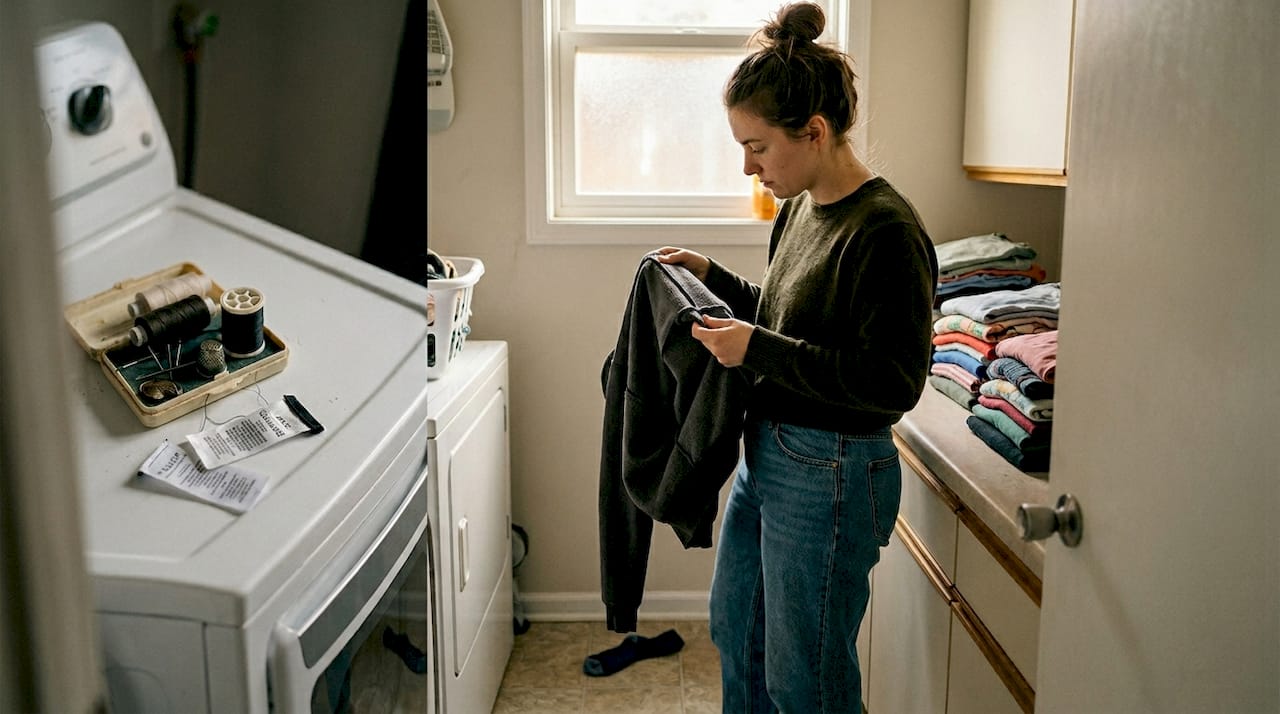
Knowing how to spot quality hoodies is a skill worth developing. The difference between a premium piece and a lookalike often lives in details most people overlook at first glance.
Pro Tip: When evaluating a streetwear hoodie, flip it inside out. Tight, even stitching at the seams and a dense, substantial fleece interior (rather than a thin, scratchy lining) are immediate signals of serious construction. A piece that looks clean on the outside but cuts corners on the inside rarely lasts.
| Feature | Fast fashion hoodie | Premium streetwear hoodie |
|---|---|---|
| Fabric weight | Lightweight, thin | Heavy-duty, structured |
| Stitching | Loose, uneven | Tight, reinforced |
| Graphic durability | Cracks quickly | Vibrant and breathable long-term |
| Lifespan | 1 to 2 seasons | Years of wear |
| Value over time | Depreciates fast | Holds and often gains value |
Making sustainable streetwear choices isn’t just about the environment. It’s about building a wardrobe that actually serves you instead of draining you.
The power of storytelling and identity in design
While quality can be felt, streetwear’s true signature is often seen in the story each piece tells.
The most iconic streetwear pieces aren’t just well-made. They carry meaning. A graphic on the back of a hoodie can reference a cultural movement, a geographic legacy, a philosophical idea, or a personal history. That layering of meaning transforms clothing from a product into something closer to an artifact.
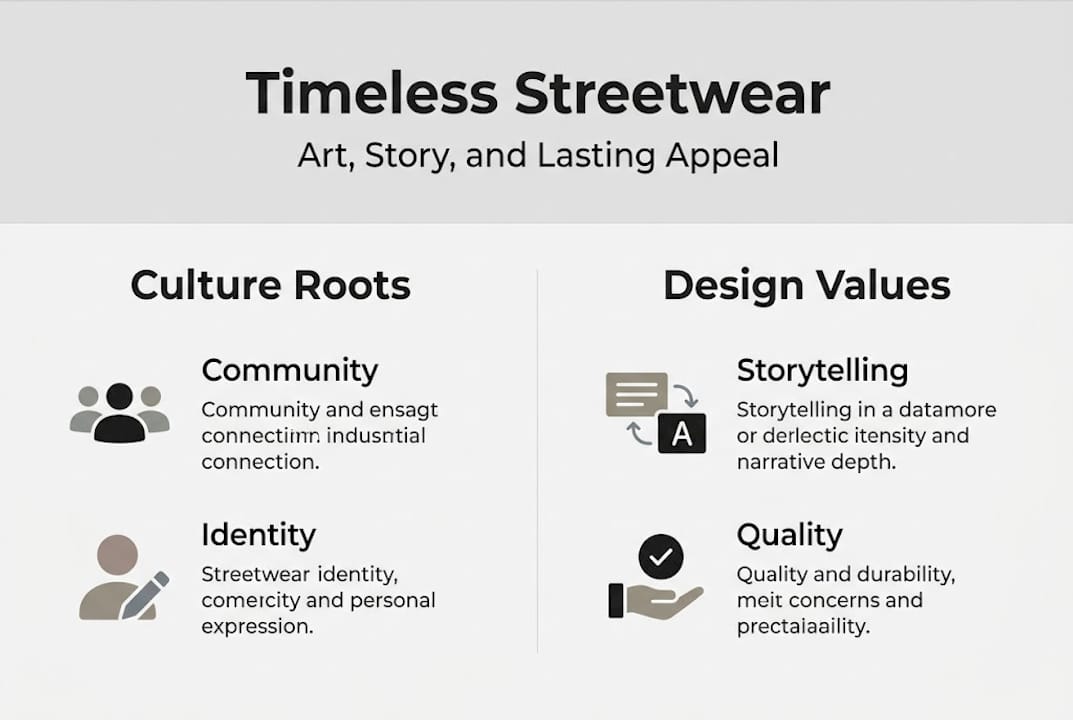
Brands that build around storytelling create emotional connections that purely aesthetic brands can’t replicate. Collaborations rooted in shared heritage, designs drawn from cartography, Latin traditions, or the passage of time, these aren’t decoration. They’re the whole point.
As global streetwear narratives show, the brands gaining serious international traction are the ones weaving cultural identity directly into their design language. The garment becomes a conversation starter, a personal marker, a way of saying something true without speaking.
Minimalist design amplifies this. When the front of a piece is clean and understated, the back graphic hits harder. The contrast between quiet and bold creates visual tension that keeps the eye interested and the mind engaged. This is the expressing identity through streetwear approach at its most refined.
Trend-driven drop vs. narrative-driven staple:
| Approach | Trend-driven drop | Narrative-driven staple |
|---|---|---|
| Design source | Current hype cycle | Cultural heritage and meaning |
| Consumer emotion | FOMO, urgency | Connection, pride, identity |
| Shelf life | One season | Years, often collectible |
| Resale value | Drops fast | Holds or appreciates |
Here’s how to use your streetwear to actually reflect your story:
- Identify your reference points: What cultures, places, or moments shaped who you are?
- Look for designs rooted in those references: Not just aesthetics, but genuine intention behind the graphic
- Choose pieces with restraint: A clean silhouette with one strong design element communicates more than a busy, logo-heavy look
- Wear it consistently: Signature pieces worn regularly become part of your visual identity
- Learn the brand’s story: Understanding heritage in streetwear deepens your connection to the piece
Immunity to hype: How streetwear stays relevant
Beyond storytelling, true timelessness is in how streetwear resists or adapts to fleeting hype.
Hype cycles are real, and they burn through brands fast. A label that builds its entire identity around manufactured scarcity and social media buzz tends to peak quickly and fade just as fast. But the streetwear brands still standing after a decade or more have figured out something crucial: integrity outlasts hype every time.
Regulated product releases protect brand value. When a label controls how much of a piece enters the market, it preserves both desirability and meaning. Every piece stays special because the brand doesn’t flood the market to chase short-term revenue.
The resilience is particularly visible in Asian markets. Streetwear in 2026 shows that while Western markets sometimes experience hype fatigue, cities like Tokyo, Seoul, and Shanghai continue to support streetwear culture at a deep, sustained level because the culture there was never purely about hype to begin with.
Gen Z and Millennial consumers now drive streetwear’s global growth, and this generation is notably hype-resistant. They research brands, demand transparency, and reward authenticity over exclusivity theater.
Long-term strategies that preserve streetwear relevance:
- Controlled releases that keep supply meaningful without creating artificial panic
- Design integrity that doesn’t chase every micro-trend
- Cultural investment through genuine community engagement, not sponsored posts
- Technical innovation in materials and printing that keeps products genuinely improving
- Narrative consistency so the brand’s story deepens over time rather than pivoting constantly
Pro Tip: Before buying into a hyped drop, ask yourself whether you’d still want the piece in three years if nobody else remembered the release. If the answer is no, that’s a hype purchase, not a wardrobe investment. Resisting streetwear hype is genuinely one of the highest-value skills in building a strong wardrobe.
Knowing how to elevate minimalist streetwear means choosing pieces that work across contexts, not just within one moment’s trend cycle.
A new era: Why ‘considered streetwear’ is the future
Having outlined how streetwear overcomes hype, it’s clear that premium streetwear is entering a thoughtful new chapter. The hype model served its purpose. It brought streetwear to a global audience and made certain labels household names. But the era of pure hype is closing, and what’s replacing it is more interesting.
Industry voices now confirm that decentralization and mature consumer values are reshaping what the best streetwear looks like. The new premium isn’t about who can create the most frantic release. It’s about who can create something genuinely worth keeping.
Minimalism, quality, and personal storytelling now define value in a way that logo-heavy, trend-chasing collections simply can’t match. The best streetwear today is quietly revolutionary. It doesn’t scream for attention. It earns it through intention, craft, and the kind of meaning that only deepens with time. You can explore quiet luxury in streetwear as the most honest expression of where premium streetwear is heading.
What most people miss is that this shift doesn’t make streetwear less exciting. It makes it more. When a piece has to earn its place in your wardrobe through genuine quality and cultural resonance rather than manufactured scarcity, the connection you build with it is completely different.
Discover minimalist streetwear that tells your story
If you’re inspired to build a wardrobe around pieces with real staying power and personal meaning, the next step is finding brands that actually deliver on that promise.
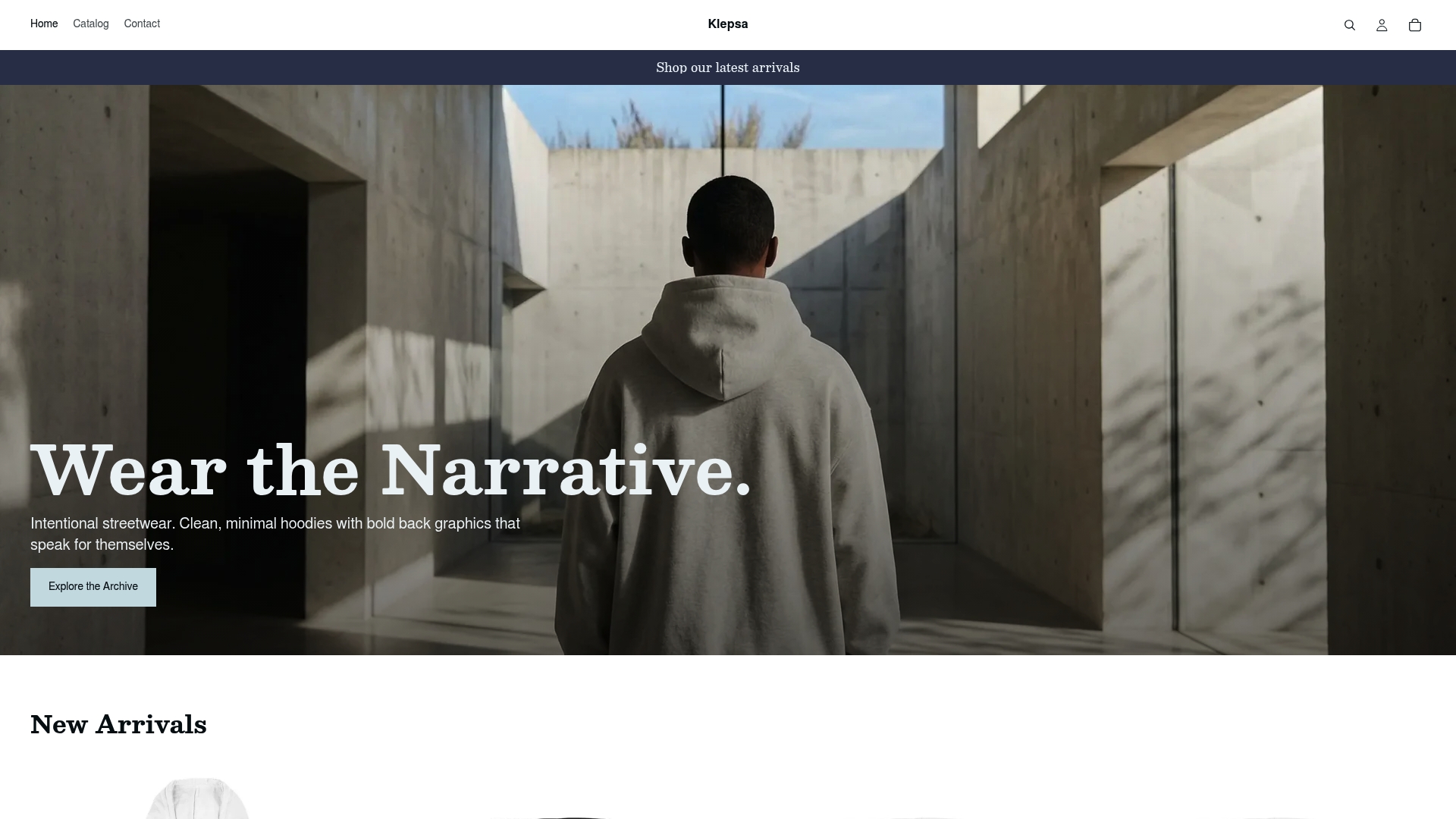
At Klepsa, every piece in the Codex I collection is built around exactly what this article describes: heavy-duty construction, thoughtful storytelling, and a design language rooted in Latin heritage and the spirit of discovery. The Insula Hoodie and the Tempus Hoodie are premium minimalist staples designed to be worn for years, not seasons. Clean fronts, bold back graphics, and the kind of craftsmanship you can feel immediately. Ready to wear the narrative? Shop Klepsa streetwear and find the piece that belongs in your story.
Frequently asked questions
Why does streetwear remain relevant while other fashion trends fade?
Streetwear evolves continuously alongside its subcultural roots, which means it stays authentic and fresh even as specific trends come and go. Its connection to real communities gives it a foundation that purely aesthetic trends simply don’t have.
How can you tell if streetwear is truly ‘timeless,’ not just hyped?
Timeless streetwear is built on high-quality materials, intentional design, and emotional storytelling rather than scarcity tactics. As Japanese streetwear proves, premium craftsmanship creates lasting value that hype alone never can.
What role does minimalism play in making streetwear last?
Minimalism creates pieces that adapt across years and contexts rather than locking into one moment’s aesthetic. Designs rooted in identity and cultural meaning stay relevant precisely because they’re about the wearer, not the trend.
Are there streetwear brands that focus on sustainability for timelessness?
Yes, many premium streetwear brands now prioritize quality materials, ethical production, and durable construction as the foundation of their identity. Sustainable craftsmanship and timeless design reinforce each other naturally at the premium end of the market.