
TL;DR:
- Urban style in 2026 balances minimalism and maximalism, emphasizing intentionality and cultural storytelling.
- Quality materials, fit, and details are essential for premium streetwear, with graphics carrying meaningful references.
- Building a wardrobe focused on curated, narrative pieces reflects genuine self-expression over fleeting trends.
Getting dressed in 2026 feels like solving a puzzle nobody handed you the box for. You want to look premium, but not stiff. You want to express your culture and roots, but not come across as a walking logo billboard. The tension between bold graphic storytelling and clean minimalist silhouettes is real, and most style guides either go full hype or full basics without bridging the gap. This guide breaks down exactly how to decode premium urban style, build a wardrobe that speaks for you, and make intentional choices that hold up beyond a single season.
Table of Contents
- How to decode premium urban style in 2026
- Key essentials for your minimalist urban wardrobe
- Mastering graphic storytelling and cultural signals
- Minimalism, maximalism, or something new? Comparing style approaches
- Our take: where young urban style is really headed
- Step into premium minimalist streetwear
- Frequently asked questions
Key Takeaways
| Point | Details |
|---|---|
| Modern streetwear balance | Combine minimalist silhouettes with bold cultural storytelling for a premium urban look. |
| 2026 style essentials | Invest in a few versatile basics in quality materials and on-trend designs. |
| Personal narrative | Use graphics and curated pieces to reflect your heritage and unique story. |
| Trends vs. individuality | Let trends inspire you but focus on building a wardrobe that expresses your true self. |
How to decode premium urban style in 2026
Streetwear did not appear out of nowhere. It grew from the streets of New York, Los Angeles, and Tokyo, pulling energy from hip-hop, graffiti, and skate culture. Over time, streetwear evolved from DIY graphics and oversized silhouettes into premium materials, high-profile collaborations, and bold graphics that carry real cultural weight. That evolution is the foundation for everything you wear today.
In 2026, two forces are pulling at each other in urban fashion. On one side, 90s minimalism is back, with CBK-inspired all-black outfits, clean lines, and texture play replacing loud logos. On the other side, graphic maximalism is still loud and proud, stacking patterns, colors, and references. The smart move is not picking a side. It is knowing when each approach serves your story.
So what actually makes a piece premium? It starts with fabric. Heavy-duty fleece, structured cotton, and technical blends signal quality before you even look at the design. Then comes fit. A slightly oversized silhouette with intentional proportions reads premium. A sloppy fit reads fast fashion, no matter what the tag says. Finally, the details matter: clean stitching, quality hardware, and graphics that are printed to last.
“The best streetwear pieces work on two levels: they look clean at a glance and reveal depth when you look closer.”
Here is a quick checklist for decoding any urban style piece before you buy:
- Fabric weight and construction: Does it feel substantial or flimsy?
- Fit and silhouette: Is the shape intentional or just big for the sake of big?
- Graphic quality: Is the print high-definition and breathable, or cracked and stiff?
- Cultural reference: Does the design have a story, or is it just decoration?
- Versatility: Can it anchor multiple looks or does it only work one way?
Pro Tip: Before buying any piece, ask yourself if the graphic would still feel relevant to you in three years. If the answer is yes, it belongs in your wardrobe. If it is purely trend-chasing, think twice.
Want to shop smarter streetwear and understand what separates hype from genuine quality? That foundation will sharpen every purchase you make going forward.
Key essentials for your minimalist urban wardrobe
Building a premium minimalist wardrobe is not about owning more. It is about owning better. Every piece should earn its place by working hard across multiple outfits and contexts. The goal is a tight, curated collection where nothing is wasted.
Here are the core essentials and what to look for in each:
- Heavyweight hoodie: The anchor of any urban wardrobe. Look for 3-end fleece construction, a structured hood, and either a clean front or a bold back graphic that tells a story. Fit should be relaxed but not shapeless.
- Minimalist tees: Solid colors, subtle texture, or understated graphics. These are your layering tools and your breathing room between statement pieces.
- Versatile outerwear: A bomber, coach jacket, or structured overshirt in a neutral palette. It should work over a hoodie and under nothing equally well.
- Tailored cargo pants: Not the baggy utility look of the early 2000s. Modern cargo pants are slimmer, with cleaner pocket placement and a tapered leg that keeps the silhouette intentional.
- Clean sneakers: Low-profile, minimal branding, and a neutral colorway. Your shoes should not compete with your top half.
The balance between bold graphics and a minimalist base is what separates premium urban style from hypebeast logo-mania. One statement piece per outfit is the rule. Everything else supports it.
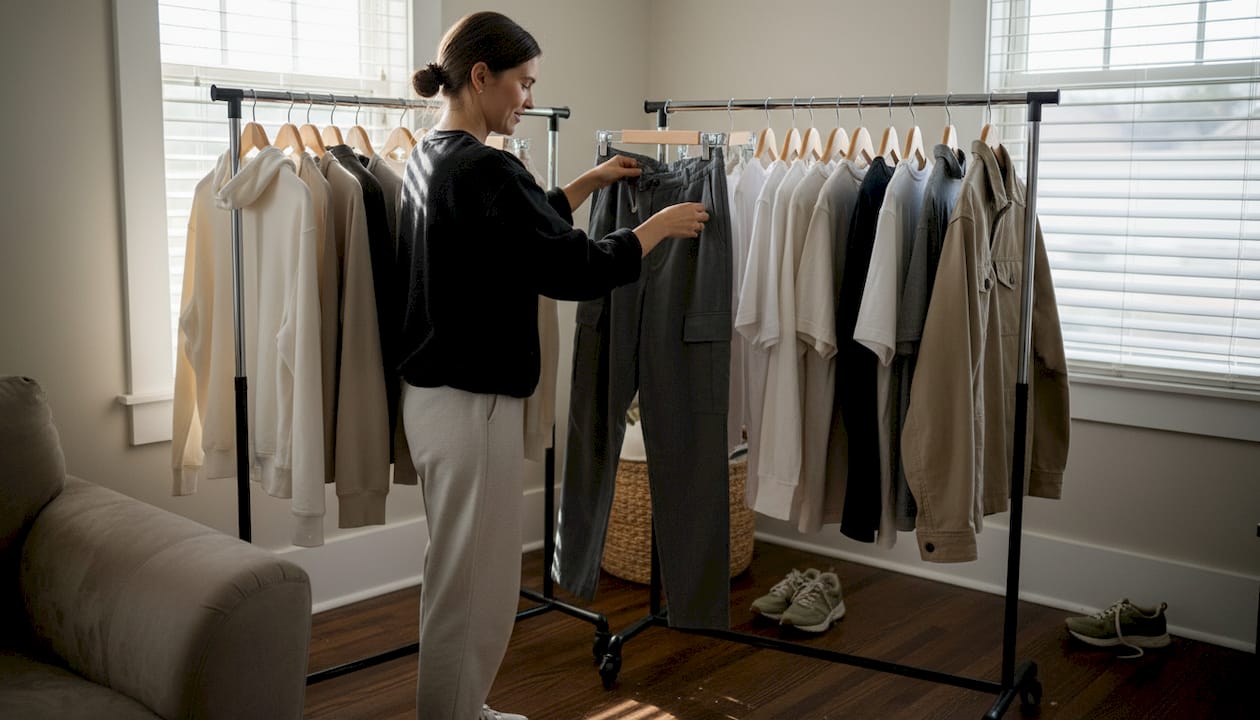
Here is a quick comparison of wardrobe staples to help you prioritize:
| Item | Key fabric | Style impact | Styling range |
|---|---|---|---|
| Heavyweight hoodie | 3-end fleece | High | Very wide |
| Minimalist tee | Combed cotton | Medium | Wide |
| Coach jacket | Nylon or twill | Medium-high | Wide |
| Tailored cargo pants | Cotton blend | Medium | Medium-wide |
| Clean sneakers | Leather or canvas | High | Very wide |
Pro Tip: Build around pairing streetwear with basics so your statement pieces always have a clean backdrop to shine against. Versatile silhouettes that layer and remix easily will always outperform one-trick pieces.
If you are looking for minimalist casual urban pieces that fit this framework, start with what you will reach for most often and build outward from there.
Mastering graphic storytelling and cultural signals
Graphics are not decoration. In premium streetwear, they are language. The difference between a piece that feels meaningful and one that feels random comes down to intention. When a graphic connects to a real cultural story, a place, a time, or a philosophy, it carries weight that no logo can replicate.
Here is a 3-step method to balance graphics with a minimalist fit:
- Lead with one graphic piece. Let it be the focal point of your outfit. Everything else in the look should be neutral or tonal so the graphic has room to breathe and communicate.
- Know the reference. If you are wearing a piece inspired by cartography, Latin heritage, or a specific artistic movement, know what it means. Wearing a story you understand makes it yours. Wearing one you do not makes it costume.
- Understate the logo, overdeliver on concept. The most powerful streetwear pieces in 2026 carry almost no visible branding on the front. The story lives in the design itself, not in a brand name stamped across the chest.
Cultural nuance matters here. Streetwear is maturing into a space of functional, sustainable premium design where craft and heritage fusion are replacing pure hype. That means the pieces that will age best are the ones rooted in something real, not just something trending.
“Quiet on the surface, loud in meaning. That is the new standard for premium urban graphics.”
Avoid the trap of stacking too many cultural references in one outfit. A hoodie with a deep heritage graphic paired with pants covered in unrelated symbols creates visual noise, not a narrative. Restraint is a skill. Practice it.
Understanding the difference between hype vs. heritage streetwear will help you spot pieces that will still feel relevant in five years versus ones that are already on their way out.
Minimalism, maximalism, or something new? Comparing style approaches
Neither minimalism nor maximalism is objectively better. They serve different purposes, different personalities, and different moments. The real skill is knowing which energy you need and executing it with intention.
Streetwear is alive and evolving through cultural fusion, not fading. Some voices call it dead, pointing to oversaturation and trend fatigue. But in cities from Tokyo to São Paulo, urban style is thriving precisely because it keeps absorbing new influences without losing its roots.
Here is a direct comparison to help you choose your approach:
| Style approach | Mood | Best fit | Brand energy |
|---|---|---|---|
| Minimalist | Quiet confidence | Detail-oriented, intentional dressers | Klepsa, Acne Studios |
| Maximalist | Bold, expressive | Statement-makers, performers | Off-White, Denim Tears |
| Hybrid | Balanced, narrative | Cultural storytellers, versatile dressers | Klepsa Codex I, Kith |
Here is how to pick your approach for a specific day or event:
- Professional urban setting: Go minimalist. Clean silhouettes, one subtle graphic, no visual noise.
- Creative event or gallery opening: Hybrid works best. A bold back graphic on a clean hoodie lets you stand out without overdressing.
- Concert or festival: Maximalism earns its place here. Stack references, play with texture, and let the outfit be the statement.
- Everyday city life: Hybrid or minimalist. Pieces that work on the subway and in a coffee shop without demanding attention.
The urban style approaches that hold up longest are the ones built on personal clarity, not trend pressure. Know your aesthetic, commit to it, and let the pieces do the talking.
Our take: where young urban style is really headed
Most style guides are still chasing hype. They rank drops, track resale values, and treat fashion like a sport with winners and losers. That model is exhausted. The young adults building genuinely compelling wardrobes in 2026 are not playing that game.
What we see is a shift toward intentional curation. Fewer pieces, more meaning. A hoodie that references cartographic history or Latin philosophical traditions is not just clothing. It is a position. It says something about who you are and what you value without needing a caption.
The uncomfortable truth most guides avoid: accumulating pieces is not style. Curating a wardrobe that tells a coherent story is. That requires knowing what you actually believe in, not just what is trending. It means choosing craft over convenience and heritage over hype.
Quiet confidence with meaning is where urban fashion is headed. Not louder, not faster. Deeper.
Step into premium minimalist streetwear
Everything in this guide points toward one principle: your wardrobe should say something real. Klepsa was built on exactly that idea. The Codex I collection puts heavy-duty 3-end fleece construction behind graphics drawn from Latin heritage, cartography, and the philosophy of time. Clean fronts. Bold backs. Meaning built in.
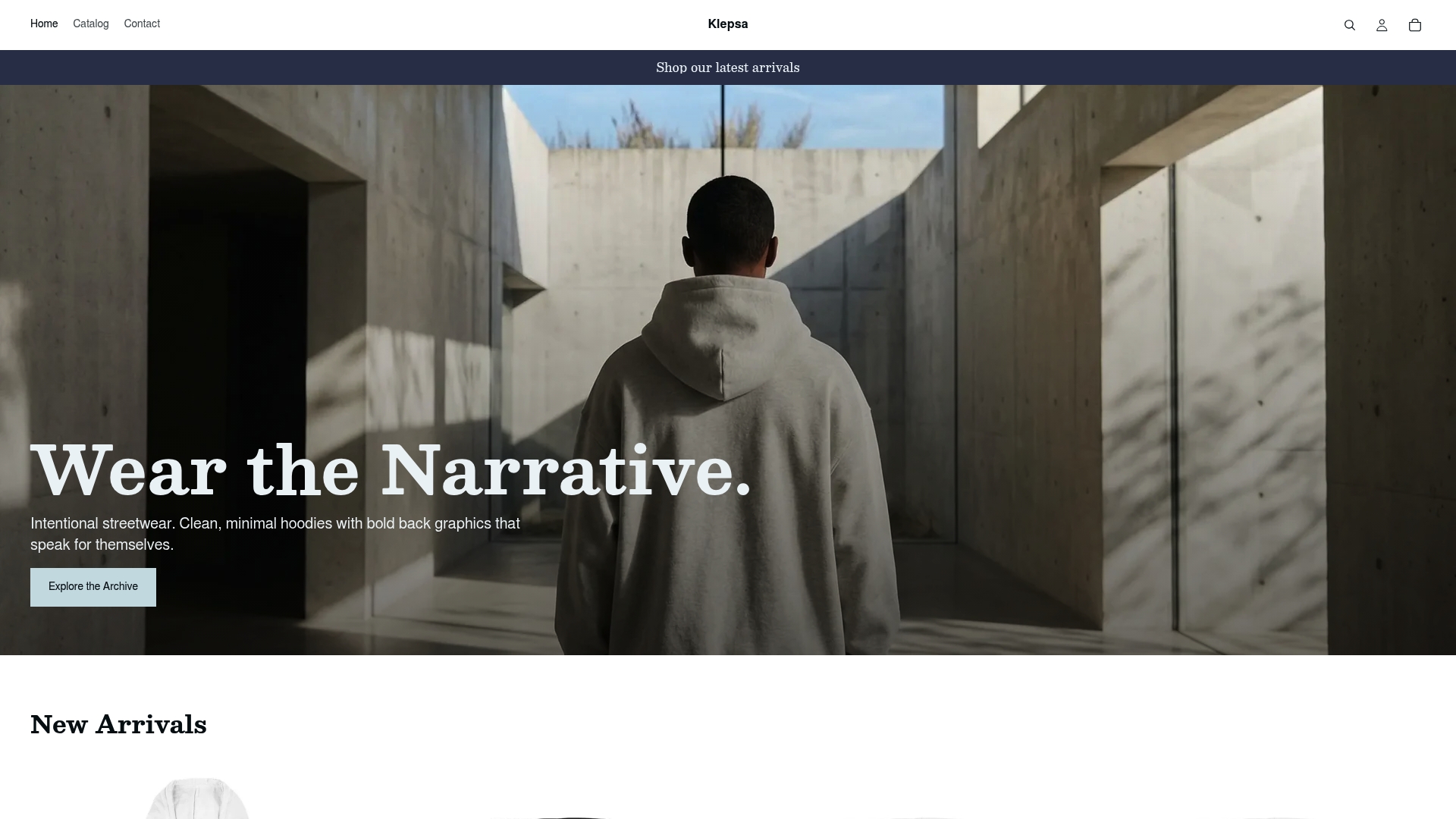
The Mentis Labor Hoodie and the Tempus Hoodie are built for the exact balance this guide describes: understated presence with a story worth wearing. If you are building a wardrobe around genuine cultural expression, start there. And if you are looking for urban essentials for women, the same philosophy applies across the collection. Wear the narrative.
Frequently asked questions
How do I balance bold graphics with a minimalist streetwear look?
Choose one standout graphic piece and keep the rest of your outfit neutral. That single-focus approach creates a premium urban edge without visual clutter.
What are the must-have basics for an urban wardrobe in 2026?
Essentials include a high-quality hoodie, tailored cargo pants, minimalist tees, a versatile jacket, and clean sneakers. 90s minimalism and premium construction define what those pieces should look and feel like right now.
Is streetwear still relevant or is it fading?
Streetwear is evolving, not fading. As documented in global urban markets, streetwear thrives via cultural evolution by absorbing heritage and craft rather than relying on pure hype.
How do I personalize my urban fashion to reflect my story?
Incorporate graphics or motifs connected to your actual heritage and look for pieces with real artistic roots. When bold graphics tell cultural stories, the outfit becomes personal rather than performative.
Recommended
- Pair streetwear with basics: a guide to effortless style – Klepsa
- Online Streetwear: Meaning, Hype, and How to Shop Smarter – Klepsa
- Women’s Casual Wear example products – Klepsa
- Tempus Hoodie – Klepsa
- Minimalist streetwear: Self-expression for urban youth – Memento Vivere Co
- Urban streetwear guide: 2026 style and culture insights – Smoked Times